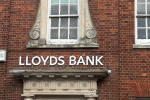
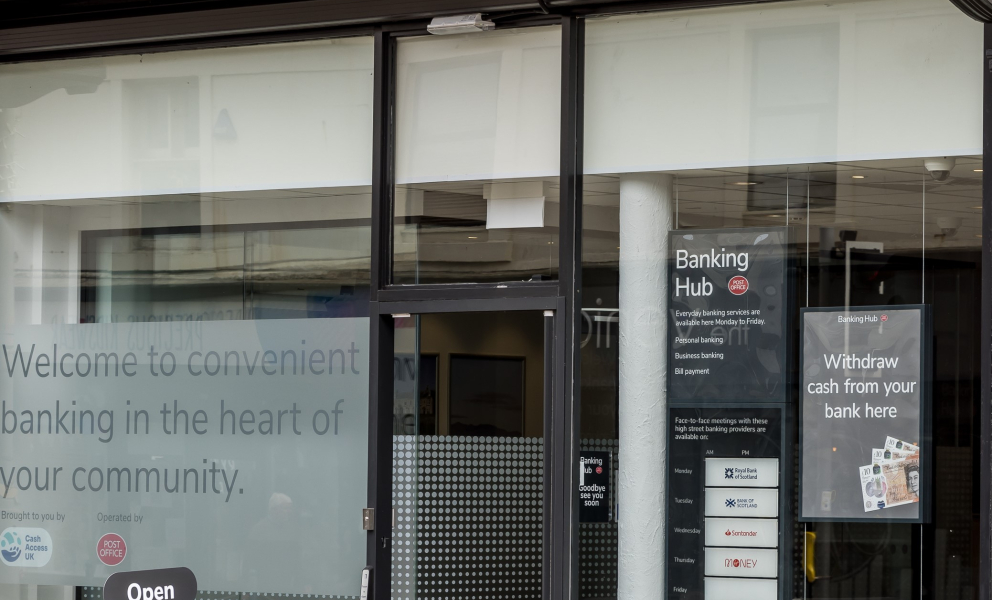
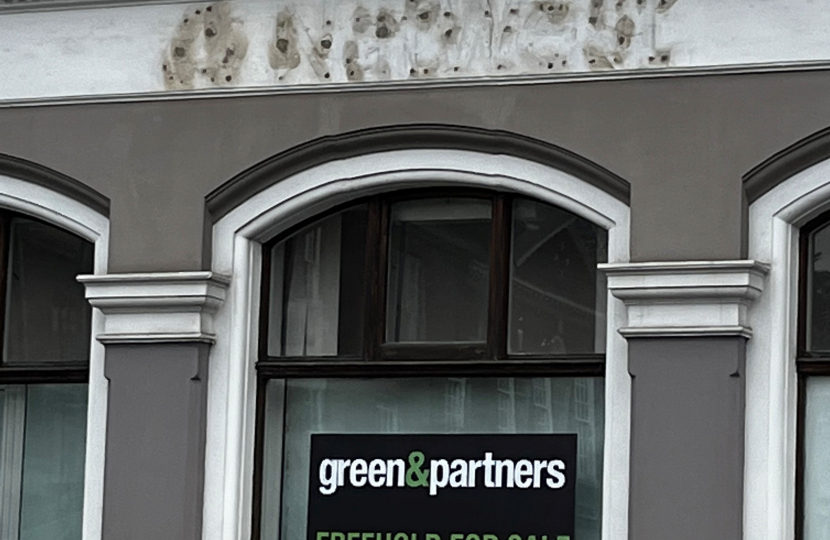
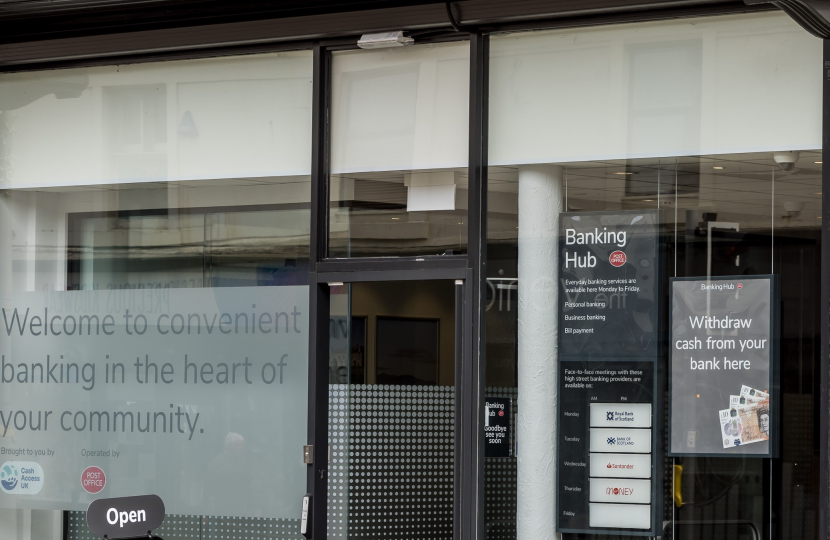
It is a sad fact that the number of high street bank branches in local communities is diminishing. In East Hampshire, some have closed in recent years, including HSBC in Alton, and Lloyds in Petersfield, whereas others have reduced their hours. From the banks' point of view, these closures are necessary as there just aren't the numbers using them anymore to make the branches commercially viable.
Many of us now bank online or via our telephones and do so confidently. We therefore have little need to visit a physical bank branch. However, for those who choose not to use online or telephone banking or don't have the means to do so, branches remain an important way of managing household tasks, such as paying bills, or seeking advice on more complex financial matters, such as probate and mortgages. They are also important for local businesses.
While I do not have the power to stop banks from closing their branches, I think it's essential that we campaign for decent alternative provision for those customers that need it. This could be maintaining the network of post office 'everyday banking' counters as a minimum and looking to extend the services they can provide to customers to try and fill the gaps left by branch closures.
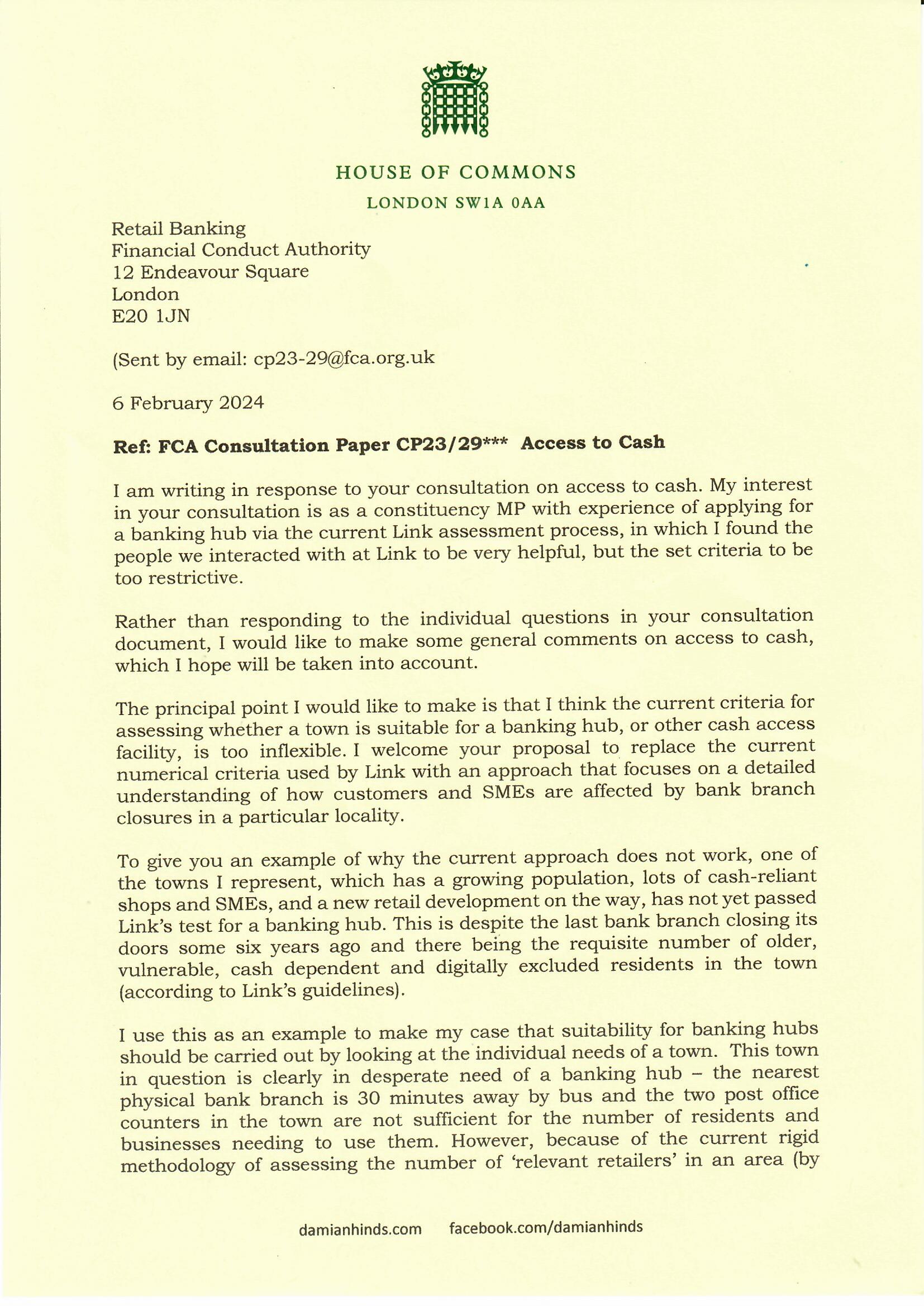
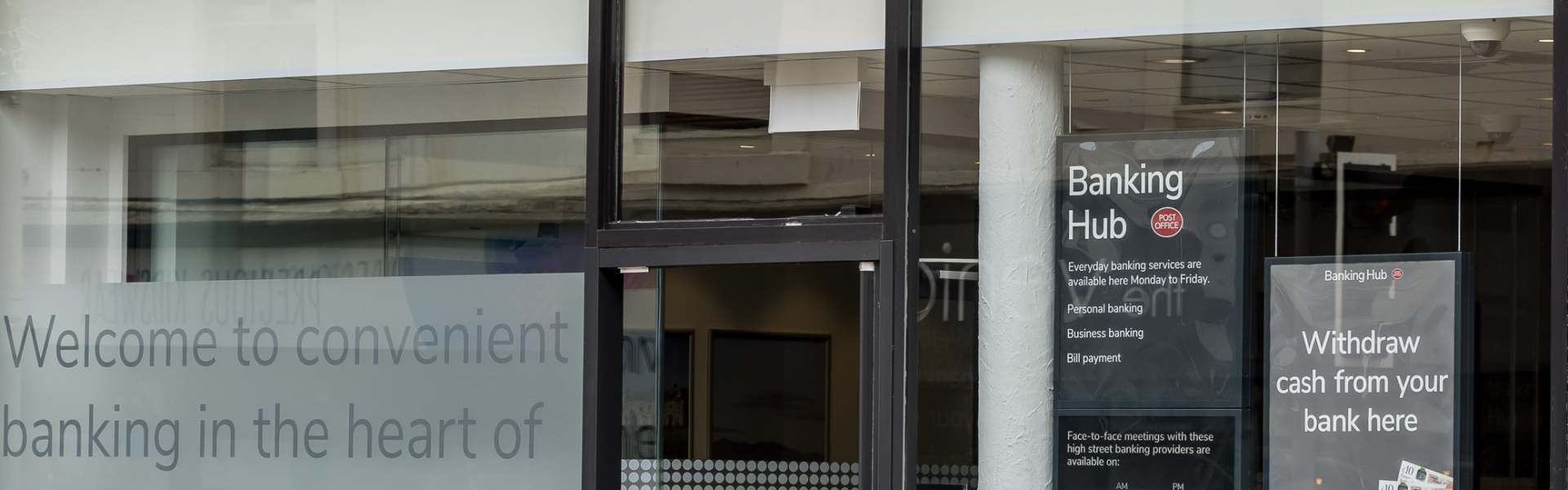
We also need to look at the community banking hub scheme Cash Access UK - Home - this is a community service, run by Link on behalf of the banks, to determine areas that could benefit from a banking 'hub'. This is particularly relevant to those communities which no longer have a physical banking presence and may have to travel some distance to access a branch.
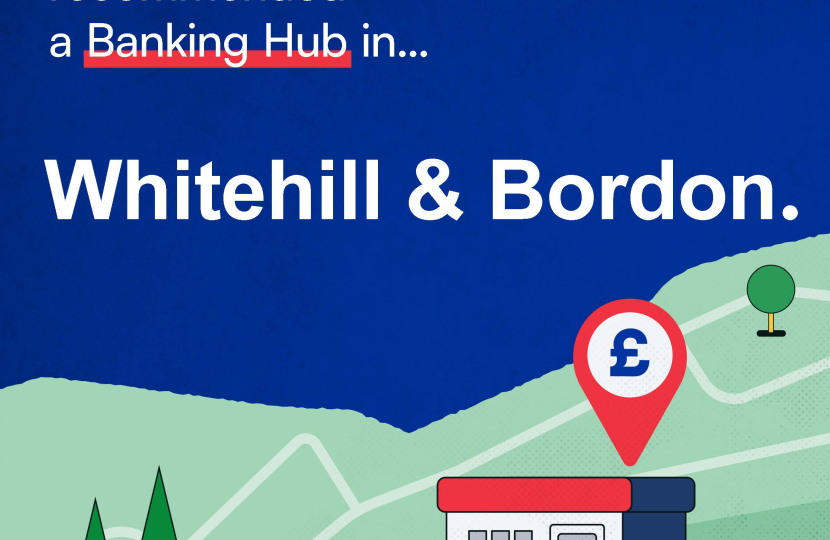
In 2024 I successfully campaigned for better banking facilities for Whitehill and Bordon. This was the culmination of many months of hard work with Link, supported by EHDC, so it was a real result to get the town its own banking hub. I'm now looking at other parts of East Hampshire to see if there are communities that would benefit from a banking hub. Please visit: Keep banking services local | Damian Hinds to tell me what you think about banking services in East Hampshire.
In Parliament
I continue to push the government on access to banking services. Some of my latest written questions to HM Treasury can be found below:
Question:
To ask the Chancellor of the Exchequer, what assessment has she made of the potential merits of standardising cash and banking services in the next iteration of the Banking Framework between Post Office and the banking industry. (116)
Tabled on: 13 May 2026
This question was grouped with the following question(s) for answer:
- To ask the Chancellor of the Exchequer, what assessment she has made of the adequacy of (a) the roll-out of banking hubs and (b) post offices to meet in-person banking needs beyond cash. (115)
Tabled on: 13 May 2026
Answer:
Rachel Blake:
The Government is committed to ensuring that people who need in-person banking and access to cash, including vulnerable customers and those with specific needs, can continue to access essential services. That is why, as announced on the 14 May, the Government is commissioning an independent Review into Access to Banking Services.
The Review will identify who is affected by declining access to in-person banking services and how many people are affected. It will also look at what kinds of banking services are important for people to be able to access. The Review is designed to inform future decisions by the Government and regulators as to whether further action is needed and what this might look like, and the Government intends to take a power in the upcoming Financial Services and Markets Bill to take action should this be necessary.
The Government remains committed to supporting the financial services industry’s roll-out of 350 banking hubs by the end of this Parliament. Importantly, this number is a floor, not a ceiling, and Cash Access UK will deliver a banking hub wherever LINK has recommended one.
The Post Office plays a key role in supporting access to banking services. Under the Banking Framework, a commercial agreement between the Post Office and 30 banking firms, most personal and business customers can withdraw and deposit cash, check their balance, pay bills and cash cheques at over 10,500 Post Office branches across the UK, subject to banks’ commercial agreements on services provided. The Government protects the Post Office network by setting minimum access criteria. These include ensuring that 99% of the UK population lives within three miles of a Post Office and 90% of the population within one mile.
On 21 January, the Government held joint discussions between the Post Office and the banking sector to explore where continued collaboration, on a commercial and voluntary basis, would allow all parties to better meet the needs of individuals and businesses.
The specific services provided under the Framework are subject to commercial negotiations between individual banks and the Post Office, and the Government has no formal role in deciding what these arrangements are.
The answer was submitted on 21 May 2026.