It is well known that East Hampshire has been subject to a huge increase in the house building target handed to it by central government.
Less widely known, thus far, is a new government plan for higher housing densities near railway stations. This can be forgiven, as the proposals were buried within a recent technical consultation on the ‘National Planning Policy Framework’, launched with little publicity. When that consultation was announced in the Commons it sounded to many that it would not apply very wildly since it was focused only on the top ‘travel to work areas’ in the country.
But it turns out every station in East Hampshire is inside one of these areas, classed by government as being within the orbit of either Portsmouth, Basingstoke or Guildford.
In essence, the government is proposing a “default yes” approach to housing and mixed-use developments located within a “reasonable walking distance” of railway stations. While this distance is not clearly defined, ministers have previously suggested it could extend up to 800 metres, effectively encompassing a large portion of many villages.
In practical terms, this would mean minimum housing densities of 40 homes per hectare or more in these areas. That could well have an effect in towns like Alton.
For villages such as Bentley and Rowlands Castle that happen to have a railway station the impact could be particularly stark.
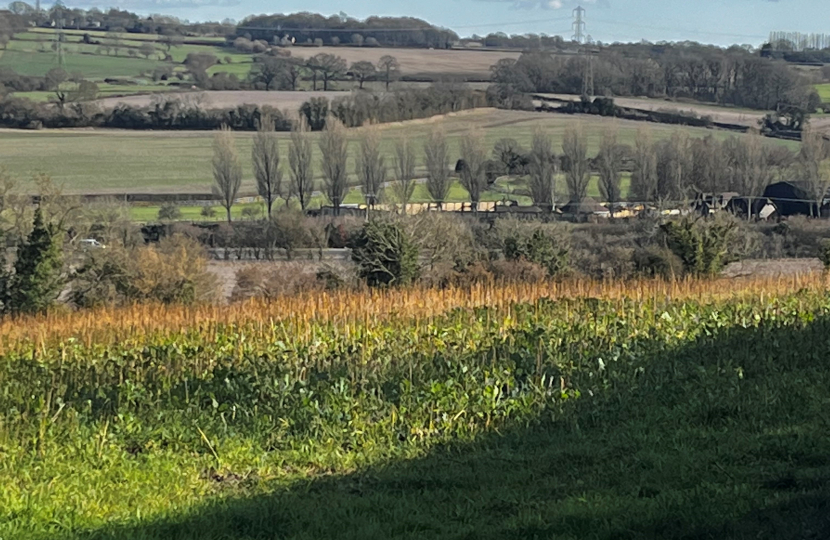
There is, of course, logic in having the places people live be near transport links. In urban areas, this approach makes sense. But applying the same model indiscriminately to rural communities risks serious consequences. People choose to live in places like Bentley and Rowlands Castle precisely because they are countryside villages. Large-scale, high-density housing estates would fundamentally alter that character.
The proposals go further still. Areas deemed “well connected” - those served by at least two trains per hour in each direction - could see densities rise even higher. While the consultation does not specify locations, it is reasonable to assume that towns such as Alton could fall into this category.
I do support the principle of making home ownership more accessible and ensuring that housing supply reflects the needs of local people, particularly those who have grown up in the area. However, and it’s a big ‘however’, the pace and scale of development must be carefully managed. Growth should respect and enhance the character and beauty of existing communities, not undermine it.
East Hampshire has already been set housing targets that many (myself included) consider excessive, doubling previous requirements. That’s an increase in target much higher than the urban average (some parts of London and Birmingham have even had their target reduced). And now we also have the impending impact of local government reorganisation, moving housing decisions further from local communities. These new proposals risk compounding that pressure and could prove deeply damaging.
I have raised these concerns directly with the Minister responsible, in the hope that a more balanced approach will prevail.